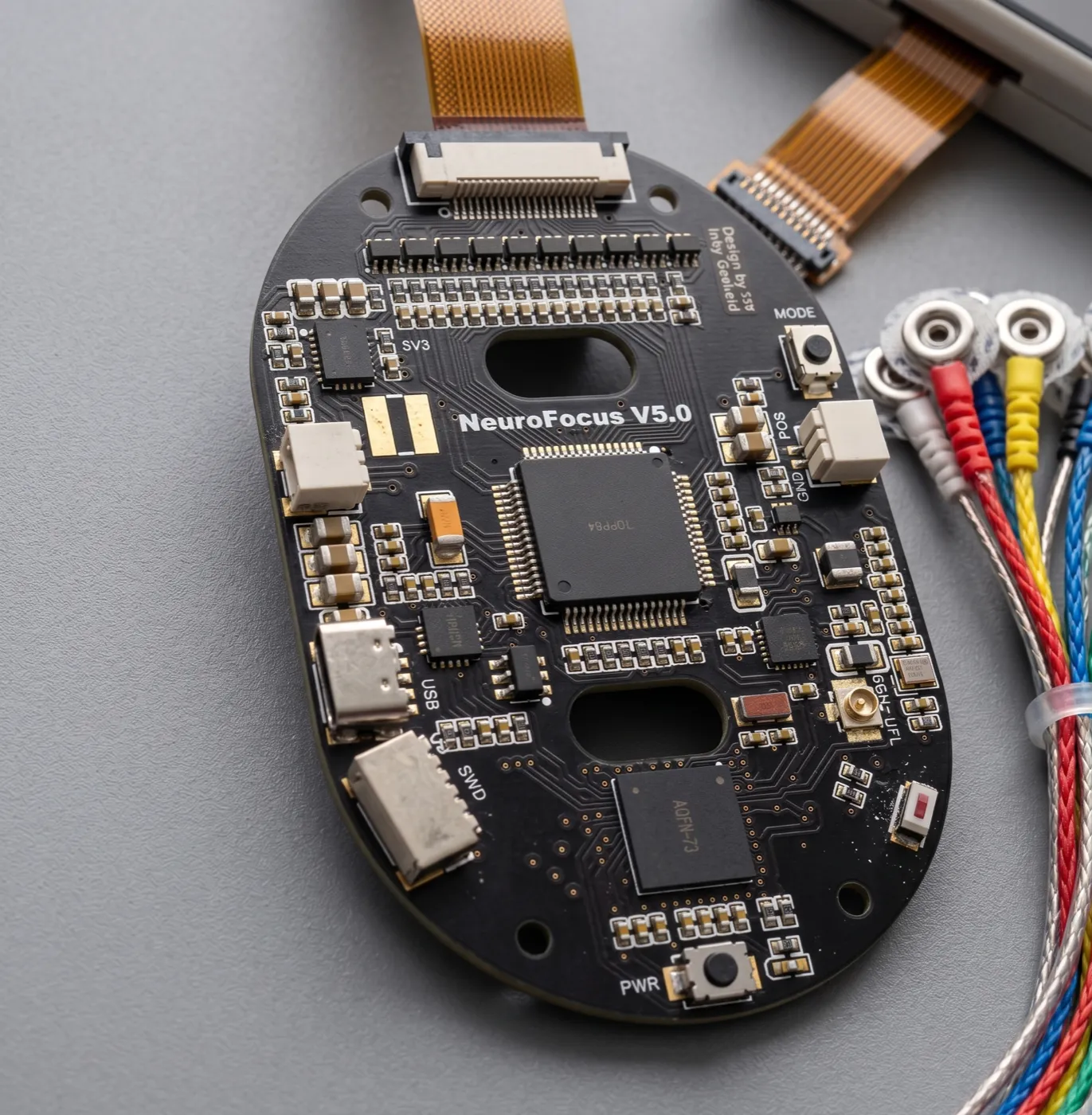
01 / BOARDREAL PCB

THE HUMAN–MACHINE GAP

Our mission is to close that gap.
WHERE WE START
Above baseline.
Keep going.
HARDWARE & FIT
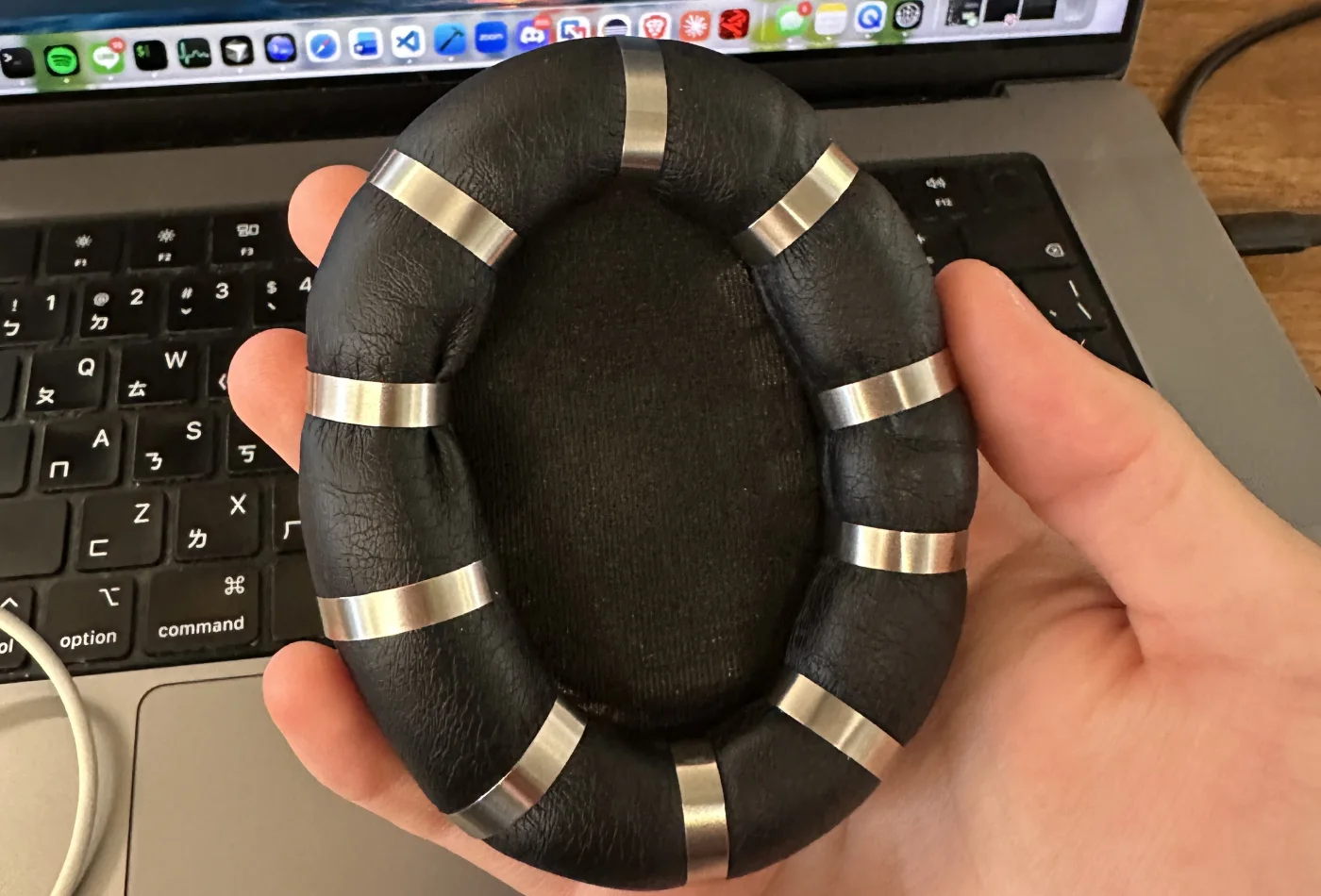
Not a new headset. Model-specific ear pads with electrodes + a signal board. Current support is limited to the Bose QuietComfort and Sony WH-1000XM series.
COMPATIBILITY
NeuroFocus currently supports Bose QuietComfort series and Sony WH-1000XM series headphones. Other headphone models are not supported yet.
CURRENT SUPPORT ONLY · BOSE QUIETCOMFORT SERIES · SONY WH-1000XM SERIES
PILOT & TEST RESULTS

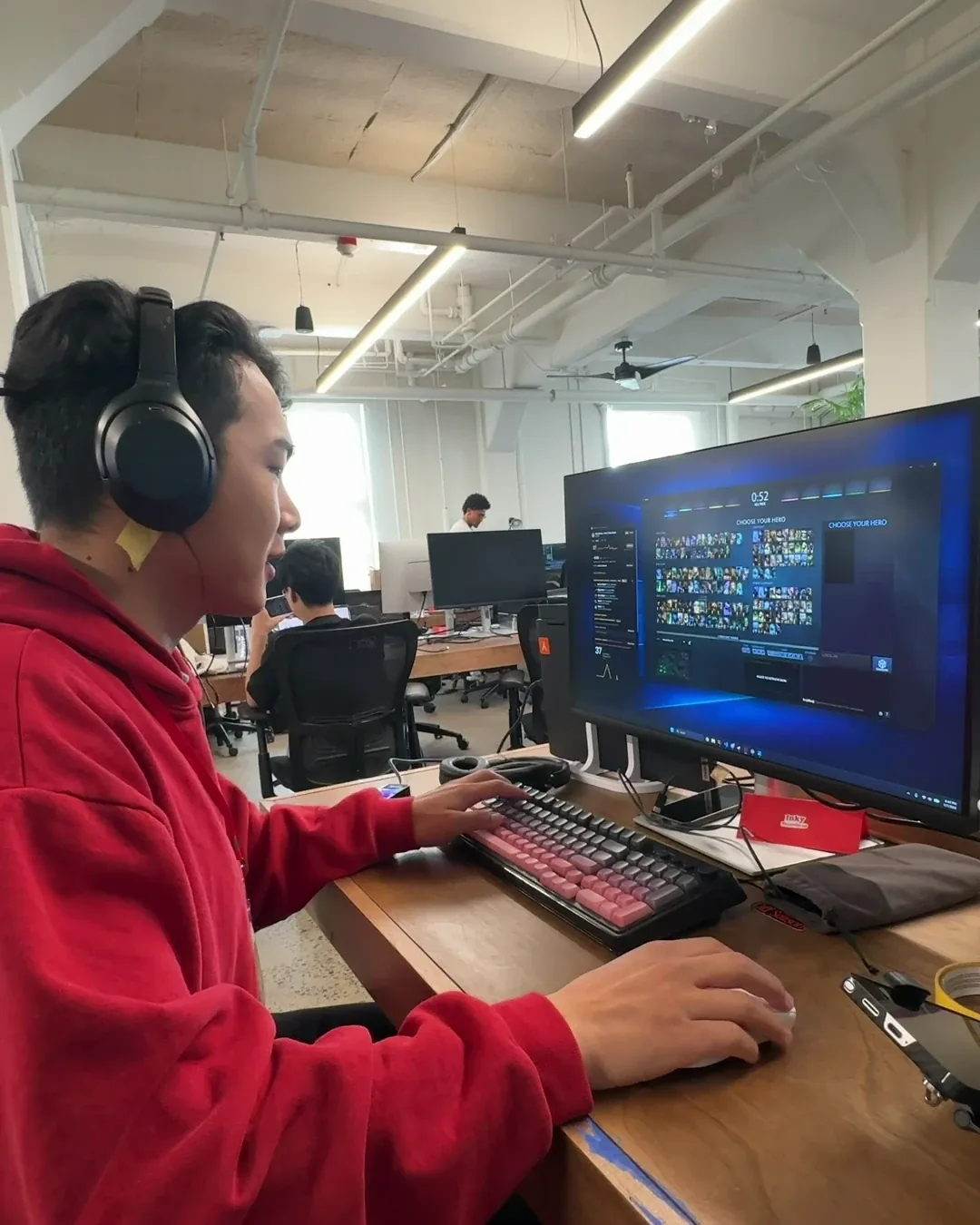
“This is revolutionary. Seeing my real-time focus score next to my code completely changed how I manage my energy during deep sprints.”

“This is completely game changing. Live focus feedback during high-stakes tournament matches gives an insane competitive edge.”
“Caught my focus drop at 3:15pm before wasting 2 hours typing dead code. Score dropped 91 → 38; took a 20m walk and recovered.”
“I used to grind through exhaustion without knowing it. Now I stop the session as soon as the score dips below 40.”
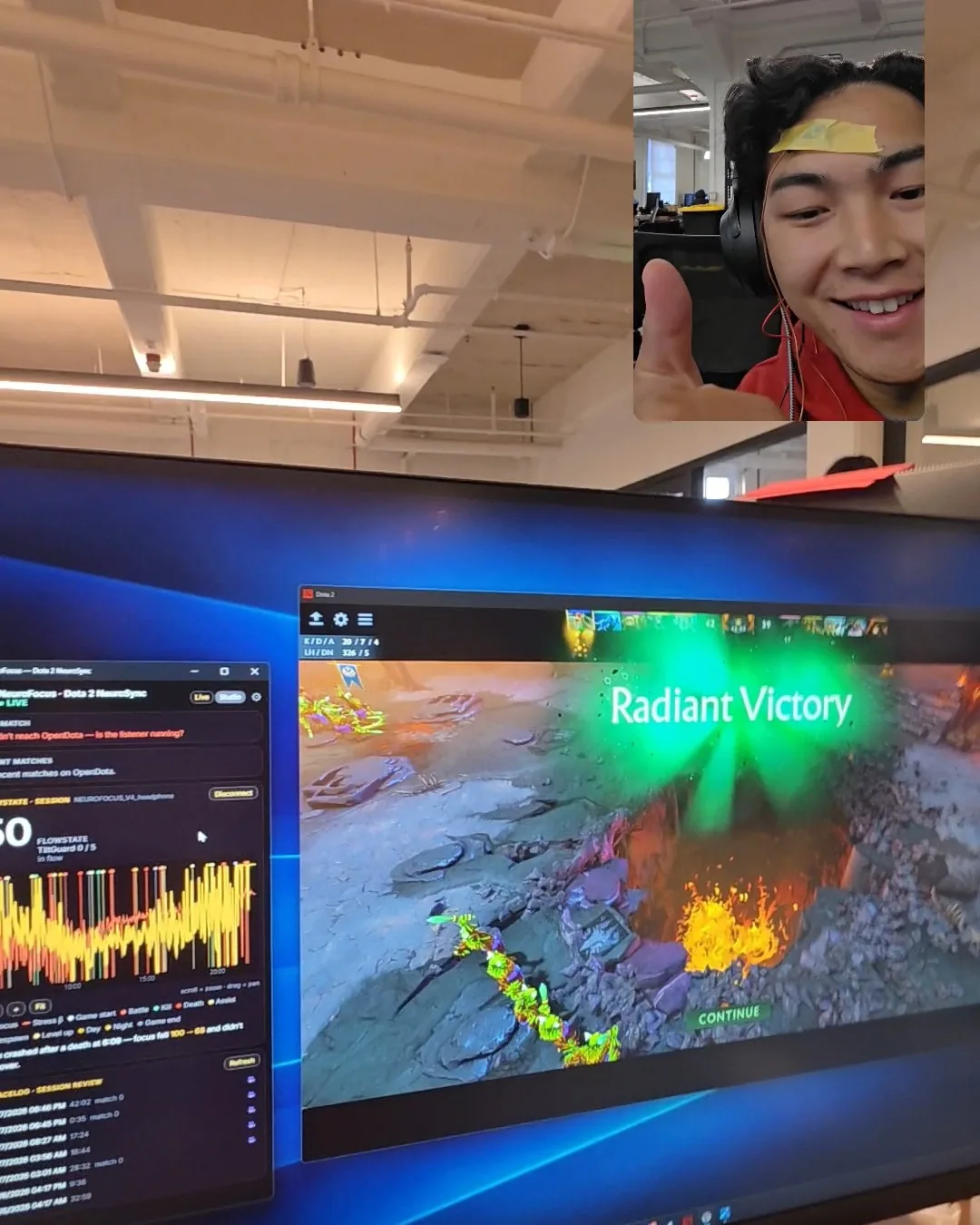
“Tracked focus spikes during high-intensity clutch rounds (Score 88). Live alert warns when mental fatigue hits.”
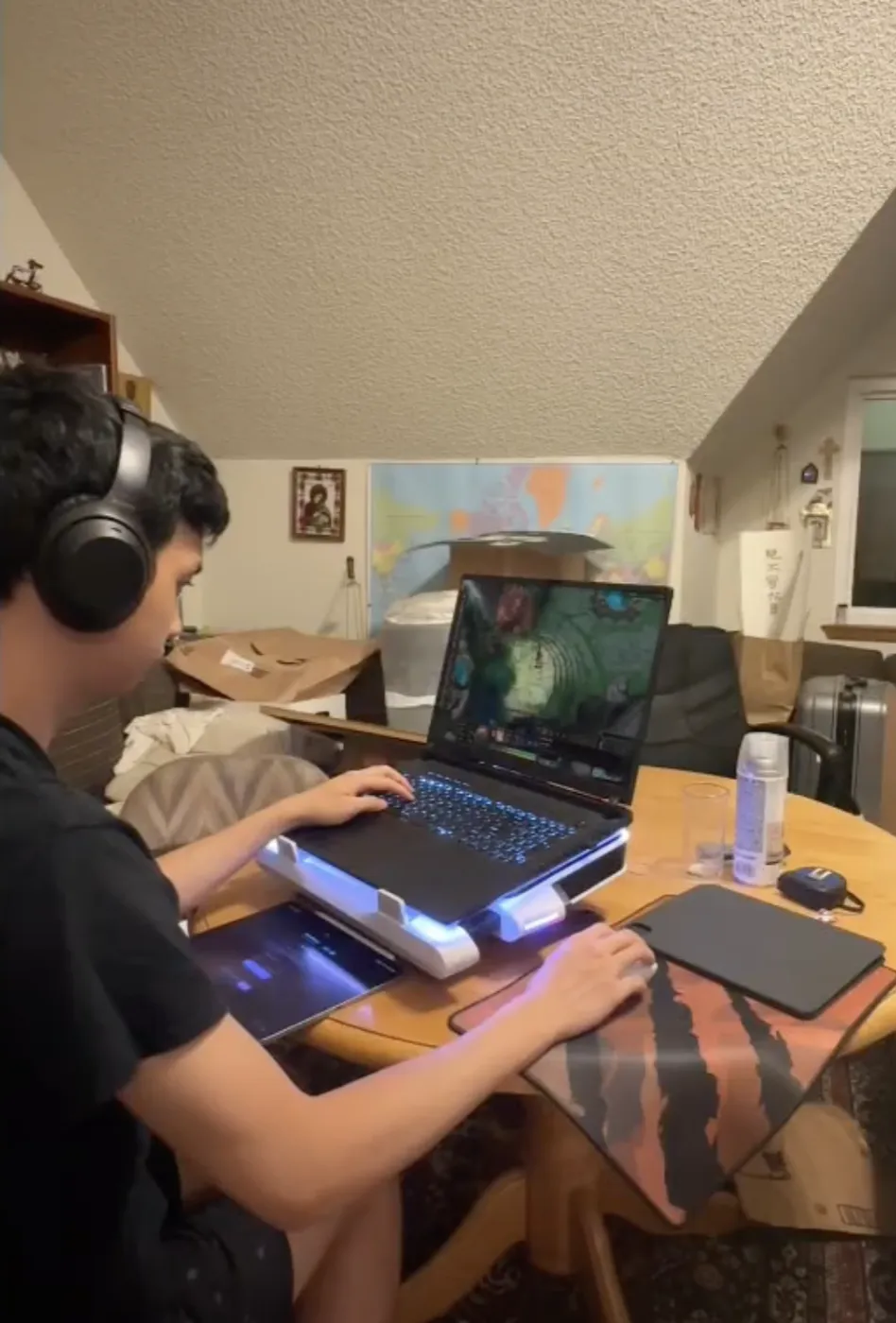
“It’s completely passive — fits right onto my Bose QC. I forget it’s reading EEG until the focus score updates live.”
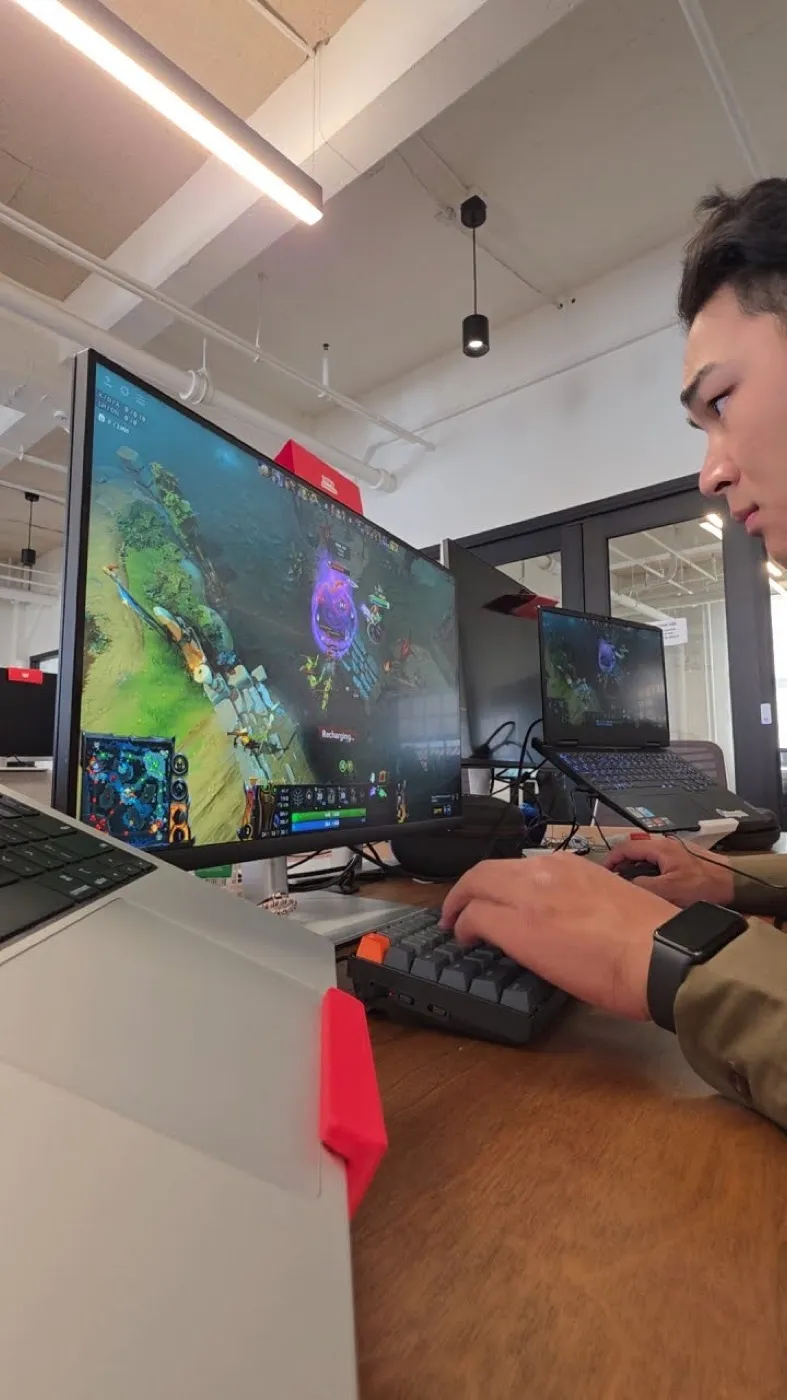
“One-channel around-ear EEG is surprisingly clean when referenced against baseline. Real signal, no placebo.”

“Seeing my focus score live on screen keeps me accountable. When I see 85+, I close Slack and stay locked in.”


AFTER THE SESSION
We pair the frontmost app with your EEG score. Rank by locked-in time — not open-tab minutes.
 CursorCODING
  FigmaDESIGN
  NotionWRITING
  SlackCOMMS
  ChromeBROWSING
 FOUNDING PILOT
$51 under $250 · or reserve with $20 refundable deposit · ships Q4 2026
Pre-order NeuroFocus $199 today · or $20 + $179 before ship · Q4 2026NOT READY?
Email only. Next batch opens — that’s it.